

TL;DR: A tub to shower conversion is a smart upgrade for homeowners looking to improve functionality, accessibility, and modern style. This blog explains what to expect from the process, how costs are determined, and why more people are choosing to convert their tubs into walk-in showers.
- A bathroom tub to shower conversion creates a more open, modern space and improves daily convenience.
- The tub to shower conversion cost varies based on materials, layout, and installation complexity.
- A tub to walk in shower conversion enhances safety with low or no step entry.
- Shower conversions are ideal for aging in place and long-term usability.
- Converting your tub can increase comfort and appeal in many bathroom remodels.
If you’re planning a bathroom update, a tub to shower conversion is one of the most popular and practical upgrades homeowners are making today. Looking to modernize your space, improve accessibility, or simply make better use of your layout? Converting your tub into a walk-in shower can transform both the look and function of your bathroom.
Why Homeowners Are Choosing Shower Conversions
More homeowners are moving away from bulky tubs and toward sleek, efficient shower spaces. A bathroom tub to shower conversion creates a cleaner, more open feel while making daily routines easier.
For many, the biggest motivation is convenience. A walk-in shower eliminates the need to step over a high tub wall, which is especially helpful for older adults or anyone thinking long-term about safety. Others simply prefer the modern design and low-maintenance appeal that comes with today’s shower conversions.
What to Expect from a Tub to Shower Conversion
So, what does the process actually involve? A typical tub to walk in shower conversion includes removing the existing tub, updating plumbing if needed, installing a new shower base, and finishing the space with tile or wall panels.
The result is a streamlined, functional shower space tailored to your needs. Many homeowners also choose to add features like built-in seating, shelving, or upgraded fixtures during the process.
Understanding Tub to Shower Conversion Cost
One of the most common questions about tub to shower conversion is cost. Pricing can vary depending on the size of your bathroom, materials, and the complexity of the installation.
You may also see homeowners searching for the average cost of a tub to shower conversion, but it’s important to remember that every home is different. Factors like plumbing updates, custom tile work, and accessibility features can all influence the final price.
While costs vary, many homeowners view this upgrade as a smart investment, especially when it improves daily comfort and adds appeal to future buyers.
Key Benefits of Converting Your Tub
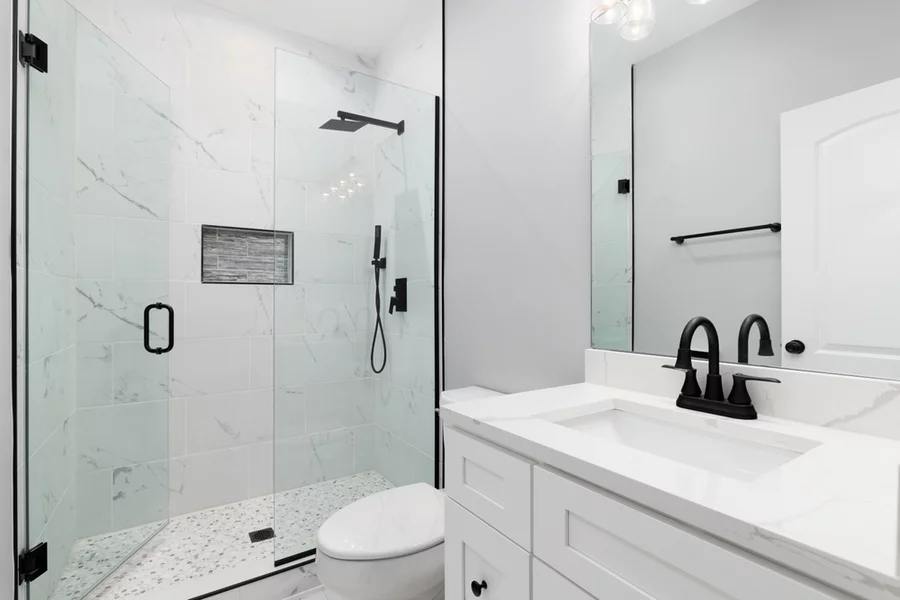
When converting a tub to a shower, homeowners often experience immediate improvements in both usability and style. Here are some of the biggest advantages:
- Creates a more open, modern layout. Ideal for bathroom remodels
- Improves safety with low or no step entry
- Makes cleaning and maintenance easier
- Offers better functionality for everyday use
- Supports aging-in-place and long-term accessibility
Is a Tub-to-Shower Conversion Right for You?
Deciding on a tub to shower conversion comes down to your lifestyle and goals. If you rarely use your tub and prefer quick, convenient showers, the switch makes sense. It’s also a great option if you’re planning for future needs and want a safer, more accessible bathroom.
However, if your home only has one tub, it’s worth considering how that might affect resale. Some buyers (especially families) still value having at least one bathtub.
The Bottom Line
Whether you’re focused on style, safety, or practicality, converting your tub into a walk-in shower is one of the most impactful upgrades you can make. With the right design and professional installation, your bathroom can become a space that’s easier to use, easier to maintain, and better suited to your everyday life.
A well-planned tub to shower conversion is a smarter way to enjoy your home.